ImpactReport Hero 01 mobile

2022–2025
Impact
Report
&
Vision
for
the
Future

A New Beginning: The Early Years of Ralston College

PRESIDENT’S LETTER

From
Vision
to
Reality

Three years ago, we set out to build something bold—a place of deep learning, rigorous inquiry, and intellectual community. What began as a vision has now become reality, with 71 graduates, half a dozen world-class faculty, and hundreds of international supporters coming together to create an institution dedicated to the pursuit of truth and human flourishing. In this short time, we have welcomed extraordinary students from all different disciplines into an intensive humanities education centered around the principles and development of Western Civilization—training a new generation of thinkers and doers who are willing to take risks—such as joining a new college.

Our impact is also felt far beyond our campus in historic Savannah. Through public lectures and podcasts, we have reached millions, sparking conversations and inspiring a renewed commitment to truth-led scholarship. Our students and graduates are carrying this spirit forward in a wide range of fields—business, education, politics, journalism, and the arts—as powerful sources of vitalization in our country and culture. Their achievements, alongside the generosity and dedication of our faculty, staff, and supporters, affirm the importance of the work we are doing.

This is just the beginning. The past three years have laid a strong foundation, but our ambitions remain high. As we look ahead, we will continue to expand our reach, deepen our impact, and uphold the ideals that brought us here. To all who have been part of this journey—thank you. Your belief in this mission has made it possible, and together, we will shape the future. And to all those who might be thinking of joining us, in the words of Horace: “Sapere aude, incipe ­­— Dare to be wise — and begin!”

Yours,
Stephen Blackwood
Founding President

 ImpactReport StephenBlackwood Headshot
 ImpactReport Intro 01

WHY
THIS
REPORT?

This inaugural report marks the first three years of Ralston College’s operations, documenting key milestones, academic and cultural initiatives, student outcomes, and financial stewardship. It affirms our commitment to institutional transparency, mission-driven growth, and the renewal of higher education.

A new education for those who seek the truth with courage

 ImpactReport ExecutiveSummary hero
Executive
Summary

KEY
MILESTONES
From
2022–2025

 ImpactReport ExecutiveSummary FinancialHighlights

FINANCIAL
HIGHLIGHTS

  • $40+ million raised in philanthropic support since launch
  • Major grant awards secured from national foundations
  • Sustainable operating budget in place for multiple years
  • Investment in campus infrastructure including renovation and operation of historic buildings in Savannah
  • 100% of enrolled MA students received full scholarships through donor-funded fellowships
  • Successful external audits completed with clean reports, demonstrating sound fiscal oversight
STRATEGIC PLANS

Achieved,
In
Progress,
Forthcoming

  • Prove the Concept (achieved)
    Launch the MA program with state authorization

  • Substantiate Concept (in progress)
    Secure recognition by national accreditor and streamline budget

  • Prepare for Scale (forthcoming)
    Double cohort and expand program

  • Implement Scale (forthcoming)
    Launch undergraduate program

 ImpactReport StrategicPlans

Candidacy
for
Accreditation*

In April 2025, Ralston College reached a significant institutional milestone, receiving Candidacy for Accreditation* status from the New England Commission of Higher Education (NECHE). This recognition affirms that the College has met rigorous standards and is on a clear path toward full accreditation.

Candidacy is not accreditation itself, but a formal status of affiliation that acknowledges an institution’s quality and viability. It allows the College to begin expanding key operations, including preparing to offer federal financial aid, should it so choose, while continuing to demonstrate compliance with NECHE’s comprehensive standards.

Achieving full accreditation typically requires a multi-year process of ongoing review, detailed self-evaluation, and periodic site visits. The College will work closely with the Commission over the coming years to complete this process, as it continues to build institutional capacity and expand its programs.

Milestones at a glance

2010
College founded with 501(c)(3) status
2015
Early supporters join the project including philosopher Hilary Putnam, literary critic Harold Bloom, and Nobel Laureate Elie Wiesel.
 Milestones 1 launch of ralston podcast add logo over it as possibility
2018
Launched Ralston College Podcasts with the conversation between Jordan Peterson and Roger Scruton (1MM+ views)
2020
Received authorization to grant degrees in the State of Georgia
FEBRUARY 2022
Secured foundational $25MM donation
 Milestone 2 jordan
May 2022
Jordan Peterson appointed College’s first Chancellor; received 1,000 expressions of interest for our first cohort of 25
June 2022
Began hiring world-class faculty
 milestones 3 buildings savannah
July 2022
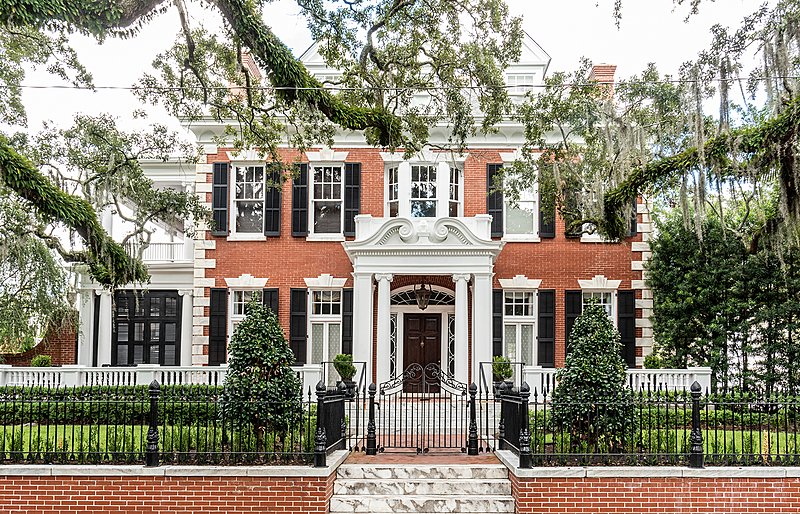
Operationalized a campus of multiple buildings in historic Savannah
August 2022
Began first Greek residency program in Greece
March 2023
Launched inaugural Sophia Lectures
 milestone 4
June 2023
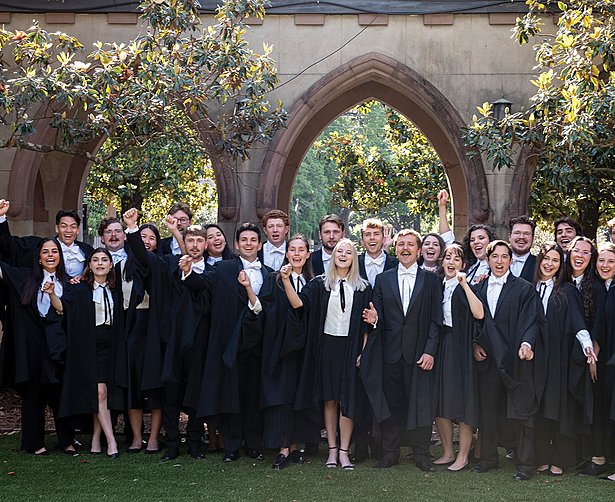
Graduated first cohort
August 2023
Second cohort arrived in Samos
May 2024
Graduated second cohort
 milestone 5
June 2024
Launched inaugural Pilot Summer Latin Program
July 2024
Dr David Butterfield leaves Cambridge to join Ralston
August 2024
Third cohort arrived
 milestone 6
April 2025
Granted candidacy for accreditation by NECHE
May 2025
Graduated third cohort
“I
love
new
beginnings.”
— Nobel Laureate Elie Wiesel, a survivor of the Holocaust, upon joining the Board of Visitors of Ralston College in 2015

Our Mission in Action

Educational
Philosophy

Ralston College exists to do one thing exceptionally well: cultivating students with the intellectual clarity and moral courage to renew our country and culture.


In a time of growing disillusionment with conventional academia, Ralston offers something rare: a rigorous, transformative education built around timeless questions and works of enduring value. Our academic program is grounded in the humanities because they are the repository of our civilization’s greatest discoveries. They are the most upstream force shaping our culture—about justice, beauty, the human soul, and the nature of a flourishing life.


Through philological discipline and immersive study, our students engage directly with the languages, texts, and ideas that first illuminated the truths and ideals on which our civilization depends. We believe this inheritance must be renewed—not merely preserved—in order to meet the challenges of the present and build a better future.


We are not trying to do everything. We are doing one thing—forming students of character, depth, and courage—and doing it with clarity, purpose, and excellence.

 ImpactReport Ourmissioninaction
 ImpactReport ourcommitments
Our Commitments

Truth.
Freedom.
Beauty.
Fellowship.

These four words define our mission. We pursue truth without ideological constraint. We defend freedom—of speech, inquiry, conscience, and association—in all its forms. We cultivate beauty in thought, word, and environment. And we foster fellowship: the bonds of living together with shared meals, classes, and activities to cultivate the friendship on which shared purposes and moral courage depend.

Ralston College brings together students and faculty in an intensive academic community—one that values honest conversation, deep friendship, and the habits of a fully human life. Our students study abroad in immersive language residencies, engage with renowned thinkers and artists through public events, and are supported by faculty and staff committed to their flourishing.


Our
Distinction

 ImpactReport weformstudentswho

We
form
students
who

Think and act with intellectual humility and courage

Seek and follow the truth in all areas of life

Build enduring friendships and genuine community

Lead active, abundant, and meaningful lives

Rebuild our country and culture

 AcademicPrograms
Academic
Programs
MA in the Humanities

Curriculum

Ralston College’s one-year Humanities MA offers an intensive, immersive encounter with the languages, texts, and cultural achievements of the Western tradition. The program begins with a language immersion in Greece and continues in Savannah, where students explore enduring human questions through close study of philosophy, theology, literature, and the arts. Organized across four terms and guided by an annual theme—such as the self, the whole, or beauty—the curriculum fosters truth-seeking across disciplines and domains.

“...a little heaven on earth, a monastic academic interlude with genius and talent, collegiality in the etymological sense (“reading together”), guided by attentive, learned professors.”

— dr Mark Bauerlein, First Things

 Curriculum

Program Structure

Term I – Greece

An intensive Greek language and cultural immersion, held on-site in Greece. Students begin the program with an eight-week intensive in Ancient and Modern Greek, supported by excursions to major Hellenic sites that enrich the study of texts and ideas in their historical context.

Terms II–IV – Savannah

Students explore the ancient, medieval, and modern periods through slow-reading philosophy seminars, lectures in literature and culture, and continued Greek instruction. Coursework includes close readings of key philosophical and literary texts in translation and in the original Greek, supplemented by concerts, lectures, excursions and events that bring the curriculum to life.

 QuoteBlock

“Although Ralston began first as an idea more than a decade ago, it has now become a beautiful, bricks-and-mortar campus hosting a truly scholarly community led by a remarkable team who share the mission of cultural renewal.”

— Dr Michael Hurley, Professor of Literature and Theology at the University of Cambridge, and former Provost of Ralston College

A
Program
That
Demands
Everything—and
Gives
More
in
Return

The Ralston MA in the Humanities is not for the faint of heart. It asks students to take on what most modern education avoids: intellectual risk, daily discipline, and the pursuit of excellence through difficulty. Our students choose challenge—not ease—as the path to formation.

This is most visible in our Greek instruction: a full year of immersive, spoken, and philologically rigorous training that compresses the equivalent of five years of study into one, beginning with two months in Greece. Students speak, read, and even dream in Greek. But Greek is only the beginning. Each element of the program—philosophy, literature, the arts, moral and political thought—requires students to confront ideas that are difficult, at times disorienting, but ultimately, transformative.

The goal is not simply to accumulate knowledge, but to develop human intelligence—the kind that is lived, earned, and embodied through sustained effort. In an age increasingly shaped by artificial intelligence, we double down on what machines cannot replicate: attention, memory, judgment, humility, grit, and moral imagination. Language becomes the crucible in which students unlearn the habits of passivity or perfectionism and instead build habits of action, courage, and intellectual honesty.

They push through psychological blocks, inertia, and uncertainty—not alone, but in a tight-knit community that prizes integrity over performance. They become the kind of people who can bear weight.

This is a program that rewires students to face life’s demands with steadiness and purpose. They don’t just translate Plato—they read it. They don’t just talk about virtue—they practice it. They don’t just consume information—they become wise. The results are visible in their writing, their presence, and their lives. They emerge not only as better thinkers, but as whole human beings: free, formed by friendship, and ready for the world as it is.

“This last year has irreversibly altered my life’s trajectory; I am bigger, braver, and more in love with the world than ever before.”

— End-of-year student survey (anonymous)

Key
Distinctions

 Pillars
Outcome and Impact

Pillars
of
the
Ralston
Curriculum

Freedom of Thought and Speech

Intellectual Immersion

Living the Tradition

Courage, Rigor, and Challenge

 JordanPeterson
 GalleryIMG2

Mastery and Merit: Ralston’s Rigorous Greek Exam

Ralston’s final Greek exam is a demanding, hand-written test—no textbooks, no dictionaries, no notes. Students are required to extemporaneously compose original summaries and analyses in Ancient Greek, drawing from the Gospel of John, Homer’s Iliad, and Plato’s Symposium. The exam assesses not only fluency and recall, but interpretive insight and grammatical command. All exams are double-blind marked, ensuring rigorous, merit-based evaluation. In an age of shortcuts and grade inflation, Ralston’s Greek exam stands apart: a true test of mastery that cannot be faked, Googled, or AI-generated.

A Thematic Approach to the Core Curriculum

Each year, the Ralston College MA is organized around a unifying theme—such as the self, the whole, nature, fellowship, or beauty—which guides students through three millennia of thought, art, and language. This approach offers a focused yet flexible framework for engaging foundational texts across disciplines and eras.

Depth Through Writing

Over the course of the academic year, each Ralston MA student produces approximately 35,000 words of original writing—including essays, reflections, and a comprehensive 10,000-word final examination. This cumulative output is half the length of a typical PhD dissertation at institutions like Harvard, Oxford, or Cambridge—demonstrating the program’s depth, rigor, and sustained intellectual engagement.

 BytheNumbers1

By the Numbers

Application Overview

  • 3,500 expressions of interest received over four years
  • 661 completed applications submitted
  • 136 students admitted
  • 108 students matriculated

Graduation & Retention

  • 71 students graduated across three completed cohorts
  • ~91% Retention and completion rate

Geographic Diversity

  • 36 U.S. states from which students have enrolled (Highest representation from: California, New York, Texas, Florida, Georgia, Colorado)

Student Profile

  • 26 Median student age
  • 54.6 % male across all cohorts
  • 45.4% female across all cohorts
 AcademicGraphs

Institution
Type
Breakdown

  • 3.5% of our students have come from the Ivy League
  • 13.2% from elite non-Ivy schools

  • 18.1% from state schools

  • 6.9% from non-elite liberal arts schools

  • 11.1% from classical schools

  • 2.8% from art schools

  • 34.7% from private non-liberal arts schools

  • 9.7% from other

Academic
Background
Before
MA

  • 89.7% of our students enter with a bachelor’s
  • 6.8% with an MA/MFA

  • 0.8% with a JD

  • 2.7% other

 AcademicGraphs2
 AcademicGraphs3

Fields
of
Undergraduate
Study

  • Arts: 8%
  • Humanities: 61.3%

  • STEM: 14.7%

  • Technical: 2.7%

  • Business/Law/Econ/Politics: 7.3%

  • Social Science: 6%

Dr Butterfield on leaving Cambridge for Ralston

Nova
et
Vetera

“I have just resigned from one of the top five universities of the world… My energies are now better spent fighting for the future of the subjects to which I have devoted my life—classics, the humanities, and the Western tradition… What, then, is Ralston College? It is a new institution that stands apart from the norms and nostrums of today’s academic culture… I joined because Ralston has an unshakable faith that great works must be read slowly and in full; that the ancient languages are worth knowing and can be known; that there is objective value in things; that not all ideas are equally good; and that beauty and truth, though they may be hard to find, are always worth seeking.”

Published in The New Criterion, vol. 42, no. 10, June 2024.

 DrButterfield

GUEST SPEAKER HIGHLIGHTS

Over the past three years we have been fortunate to welcome many distinguished lecturers

Samuel Andreyev . Jason Baxter . Mark Bauerlein . Peter Berkowitz . Kevin Corrigan . Anthony Daniels . Eli Diamond . Rod Dreher . Clifton Duncan . Paul Epstein . Walter Evans . Stanley Fish . Cameron Fuhrman . Solveig Gold . Adonis Georgiadis . Elena Glazov-Corrigan . James Hankins . Heather Heying . Douglas Hedley . Gregg Hurwitz . Michael Hurley . Evan King. Joshua Katz . Roger Kimball . Iain McGilchrist . Eugenia Manolidou . Mark Mathabane . Robert Mehlhart . Douglas Murray . Ben Navarro . David Novak . James Orr . Jonathan Pageau . Jason Pedicone . Peter Pennoyer . Jordan Peterson . Kyriakos Pierrakakis . Christophe Rico . Neil Robertson . David Rubin . Christopher Rufo . Richard Russell . Christopher Snook . Christian Sottile . Stephen Tardif . Peter Thiel . Gary Thorne . John Vervaeke . Francesca Vanasco . David Whalen . Thad Wheeler . Stephen Wolfram . Bret Weinstein

Reviving
the
Language
of
Civilization

The Greek Language Residency at Ralston College

Overview

At the heart of our MA in the Humanities is an intensive Greek Language Residency—an eight-week immersion program that brings students into direct contact with the intellectual and spiritual heritage of our civilization.

Far more than a language course, this experimental program is a rigorous intellectual, cultural, and humanistic experience. It trains students in both Ancient and Modern Greek through full linguistic immersion in Greece and introduces them to the living legacy of Greek thought in the very landscapes where that thought was born.

“You know you’re in a good place when you literally can’t imagine it being any better.” — Dr Jordan Peterson, Chancellor Emeritus, The Spectator, Marshall Matters (September 26th, 2022)

Program Goals

To equip students with functional fluency in Ancient and Modern Greek through over 250 hours of instruction and 500+ hours of language contact.

To lay a linguistic and cultural foundation for the study of the humanities by enabling direct access to foundational texts.

To offer a transformative educational experience that unites language learning, historical awareness, cultural immersion, and character formation.

To revive the apprenticeship model of humanistic education by engaging students in close study with scholar-teachers, craftspeople, and local communities.

 JonathanBiQuote

“Studying Ancient Greek in Greece with Ralston College was one of the best trips and learning experiences of my life.  They’ve rescued pedagogy from the Renaissance to teach classical languages.  Ralston is so special because it treats Ancient Greek as a truly living language and a language to be lived.” 

— Johnathan Bi (Columbia University, BA Philosophy and Computer Science), public intellectual and non-degree Greek residency alumnus, on his experience of the program

By
the
Numbers

  • 750+ hours of Greek language instruction and exposure
  • 10+ pages of Greek reading per week
  • 20+ archaeological and historical site visits
  • 80+ communal dinners, lunches, and excursions
  • 2 immersive Greek village residencies
  • 100% of students demonstrate rapid increase in confidence reading primary texts in Greek
 ByTheNumbers

“Nothing sets Ralston apart more than its professors’ ability to take young people who do not know these languages and, in a matter of months, get them to speak, read, and write with creative fluency. [...] the ability of even the median student to go from nothing to ad-lib conversation, in Ancient Greek and without notes, about matters both philosophical and quotidian exceeds what teachers at so-called elite institutions can get all but the most remarkable pupils to do after four long years of instruction.”

— Dr Joshua T. Katz
The New Criterion, Dispatch: America’s Best Greek & Latin Teachers,”
published in The New Criterion, vol. 43, no. 9, May 2025.

 Banner
Latin
Language
Residency
Summer 2024 | Sicily, Rome, the Bay of Naples, and Florence

A
Pilot
Immersive
Language
Program
in
Italy

In Summer 2024, Ralston College launched its first Latin Language Residency: an intensive, two-month pilot program dedicated to the immersive study of Latin and Italian. Building upon the success of our Greek Language Residency, this new initiative extended Ralston’s mission into a second ancient tongue, testing the possibilities of direct, living engagement with the Latin tradition in the very landscapes that birthed it.

Over eight rigorous weeks in Ortigia, Rome, and Florence—punctuated by excursions across Sicily and the Bay of Naples—participants undertook an extraordinary intellectual and cultural adventure. Mornings were devoted to the active, oral practice of Latin and Italian with master instructors; afternoons and evenings wove together readings in classical literature, archaeological site visits, and communal reflection.

The goal: to reclaim Latin as a living language, and to reawaken our connection with the texts, thought, and culture of Rome—not merely as academic artifacts, but as an inheritance to be inhabited and transmitted.

 LatinLanguageResidency

Outcomes & Highlights

Applications Received: Over 120 expressions of interest from 5 continents

Participants Selected: 25 scholars representing 12 countries and 20 institutions

Demographics: 10 women; 15 men; 9 international students; 8 from Ivy/Non-Ivy Elite Colleges attended; 10 from international universities; 4 external students were in PhD programs; 5 external students had completed an MA prior to the program

Scholarships Awarded: 80% received full scholarships; 20% partial funding

Languages Acquired: Foundational fluency in both spoken and written Latin and Italian

Key Sites Visited: Ortigia, Selinunte, Pompeii, Naples, Fossanova, Florence, and more

Feedback Received: 100% of students reported the program met or exceeded expectations

Looking Ahead

The Latin Residency stands as a successful model of immersive classical education outside of a formal degree structure. Plans are underway to expand future offerings and integrate this distinctive program more deeply into Ralston’s long-term vision for humanistic formation.

 StudentImpactandExperience desktop
Student
Impact
&
Experience

Testimonials

Life
at
Ralston
College

Life at Ralston College is marked by a rare depth of fellowship and shared purpose. From sunrise walks through ancient ruins in Greece to late-night debates in historic Savannah, students live and learn in a vibrant community devoted to serious study, meaningful conversation, and enduring friendship.

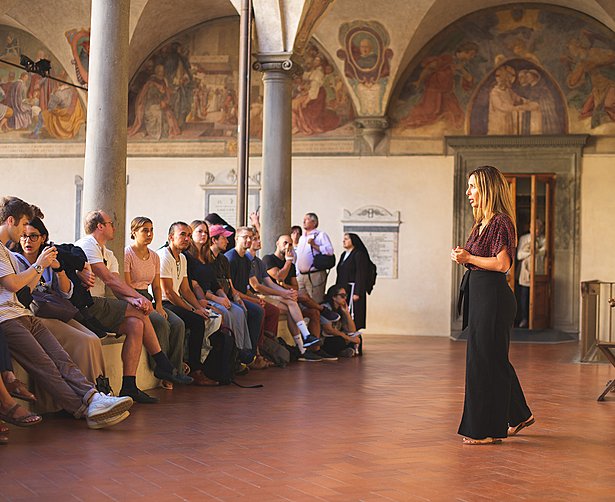
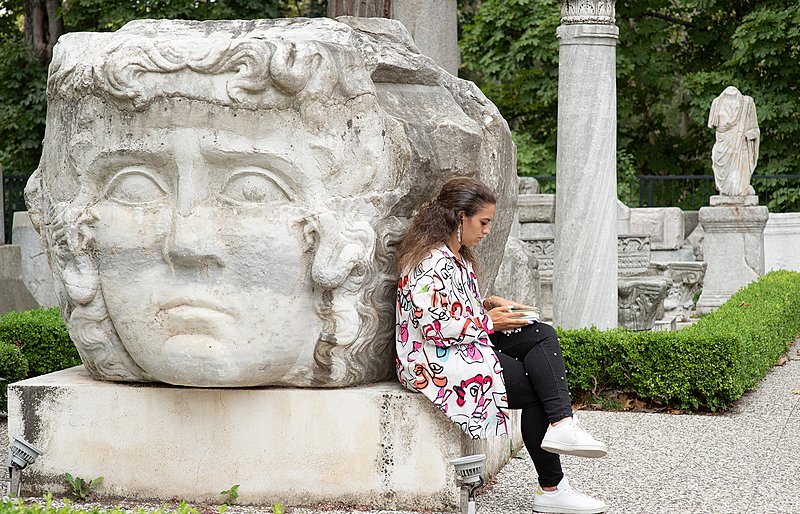
The year begins in Greece where students live side by side in monasteries and guesthouses, study Ancient Greek from dawn till dusk, and explore the ancient world not only through texts but also through places—visiting Athens, Delphi, Istanbul, Mycenae, Ephesus, and the island of Patmos. These early days foster a strong sense of intellectual camaraderie and lay the foundation for what becomes a close-knit and supportive cohort.

Back in Savannah, students reside together in historic buildings in the heart of the city. Daily life unfolds in courtyards, common rooms, and shared kitchens where conversations continue over dinner, music, and impromptu readings. The College’s urban campus fosters both independence and intimacy, and the beauty of the city becomes part of the education itself.

 LifeatRalston
 LifeatRalston2

In addition to public lectures and excursions, students participate in a variety of student-led clubs and initiatives—from poetry readings and philosophy salons to early-morning boxing and late-night jam sessions. Weekly college dinners, modeled on the Oxbridge tradition, bring the community together in conversation and celebration, and students also take part in serving the meals—practicing hospitality and taking shared responsibility.

Ralston’s Career and Life Conversations invite students into meaningful dialogue about vocation, purpose, and the possibilities that lie beyond the MA. These encounters—often informal, always thoughtful—reflect the College’s commitment to the formation of the whole person.

Above all, life at Ralston is defined by its shared spirit: one of inquiry, friendship, and courageous engagement with the deepest questions of human life.

A
Table
for
Fellowship
and
Learning

A Reflection Of Collegiate Dining At Ralston

At a time when many colleges are scaling back on communal life, Ralston College’s Thursday Dinners continue a tradition modeled on the collegiate halls of Oxford and Cambridge, where shared meals are an extension of the university’s intellectual and civic mission.

These gatherings offer a meaningful setting for students, faculty, and visitors to reflect together, build relationships, and engage in conversation shaped by the lectures and life of the College. They sustain a culture of hospitality and discourse—reinforcing the conviction that education is not only taught, but lived.

Each dinner begins with the College grace—first composed in Hebrew, translated into Greek, and then into Latin, the language of the university. Evenings often feature speeches, music, and the recitation of poetry from memory. Students also participate in serving the meal—further underscoring the spirit of shared responsibility and community at the heart of the College’s life.

 CollegiateDinners

BUILDING
NEW
TRADITIONS
FROM
OLD:
RALSTON’S
LATIN
GRADUATION
CEREMONY

The Ralston College Degree Ceremony draws on the earliest traditions of the university, which date to the twelfth century. Conducted in Latin—the original language of the university—it retains the essential elements of its medieval predecessors: supplication, presentation, oath, and admission.


The ceremony is not a celebration of having “earned” a credential, but of being admitted as a permanent member of the College, having taken an oath to uphold its ideals. It marks the end of the academic year and reflects the deeper purpose of study: the transformation of the student through the pursuit of truth.


Its central gesture is not the katabasis of kneeling, but the anabasis of rising—into a new identity, and into the responsibilities that knowledge entails.

 LifeafterRalston

LIFE
AFTER
RALSTON

(71 Graduates)

Graduates have established careers across industry, culture, public service, and teaching, where an especially strong contingent of Ralston alumni are having a major impact on the minds of the next generation.

  • 25% Teaching Across America
  • 12% Working in Publishing or Media
  • 12% Entrepreneurship, Business, or Technology
  • 10% Graduate or Doctoral Study in the Humanities
  • 10% Attending Professional School (Architecture, Law, Medical School, etc.)
  • 10% Unknown
  • 8% Working at Ralston College while Pursuing Cultural Projects
  • 8% Other (i.e. Creative Projects)
  • 5% Public Service or Politics
 LIfeAfterRalstonChart

By
the
Numbers:
Institutional
Growth

Graduates per Year

  • 2022-23: 22
  • 2023-24: 23
  • 2024-25: 26

Faculty Growth

  • 2022-23: 2
  • 2023-24: 4
  • 2024-25: 6

Campus Footprint

  • 40,000 square feet of beautiful, historic buildings in downtown Savannah
  • 36 individual residence rooms in shared apartments
  • 6 seminar rooms, one lecture and dining hall
  • Multiple libraries and study rooms; indoor and outdoor common spaces; and a gym

Global Reach

  • Programs in 3 countries
  • Applicants from 5 continents
  • Podcast audience in 50+ countries

Social Media Reach

  • 30k YouTube Subscribers
  • 7.3k+ X
  • 8k+ Instagram
  • 1k+ LinkedIn

Email list

  • 13k Newsletter Subscribers
 Public Scholarship hero mobile
Public
Scholarship
&
Cultural
Influence
 ThreeYearsofPublicProgramming

An
Intellectual
Home
in
Historic
Savannah

Three Years of Public Programing

Ralston College is committed to fostering a vibrant intellectual and cultural community—both within and beyond the classroom. Through concerts, lectures, theatrical productions, and scholarly gatherings, our public programming invites audiences into the riches of the humanities. These events have welcomed thousands and hosted more than 40 distinguished scholars, writers, musicians, and cultural figures.

These programs affirm Ralston’s role as both a rigorous academic institution and a cultural catalyst—creating shared experiences that enrich civic life, broaden public access to the humanities, and build lasting bonds between the College and its wider community. Now more than ever, we are not an ivory tower; we take our responsibility to the public good with utmost seriousness—to model free inquiry and respectful dialogue, and to share the riches of our civilization with anyone who seeks to claim them as their own.

Public Lectures:

Ralston opened 24 select lectures to the public, offering access to the College’s core curriculum and guest speakers. These lectures foster meaningful dialogue and model thoughtful, civil engagement with urgent and perennial questions, including series such as Liberal Arts, Free Speech, and the University, Humanitas, and our flagship annual lecture series—The Sophia Lectures.

Concerts:

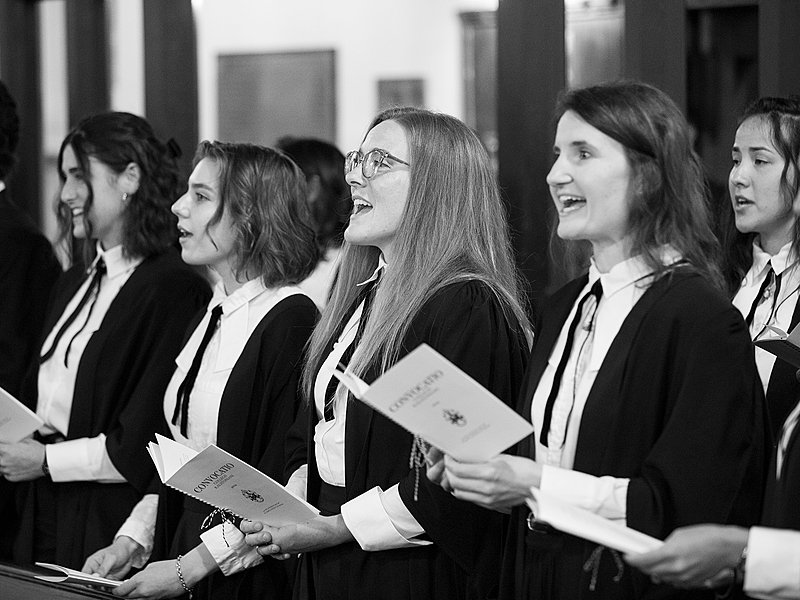
Since 2022, Ralston has hosted 12 public concerts, including annual Christmas performances and distinguished guest recitals. These events have featured the Ralston College Chorus and partnerships with local world-class musicians and the Savannah Philharmonic.

Theater:

Ralston students staged 1 powerful production of The Bacchae—translated, directed, and performed by Emily Wendt (MA in the Humanities ‘23) alongside her classmates. This immersive production of Euripides’ tragedy brought ancient drama into vivid contemporary relevance and was open to the public.

The
Sophia
Lectures

Three Years of Public Conversation

Since launching in 2023, the Sophia Lectures have created a vibrant forum for exploring the ultimate questions of meaning and value. Over three years, they have attracted distinguished speakers, engaged enthusiastic audiences, and reached thousands online. This signature Ralston College series aims to unite ancient wisdom with contemporary urgency—bringing people together in conversations that are both profound and inspiring.

 SophiaLectures

2023

The Spirit of Play

Dr Douglas Hedley (Cambridge) explored the role of play in culture, creativity, and spirituality, drawing on sources from Greek philosophy to Indian metaphysics. Held at the Noble Hardee House in Savannah, the five-part series welcomed over 400 attendees, with the first video reaching approximately 9.3k views.

2024

Wholeness, Imagination & the Cosmos

Dr Iain McGilchrist examined the interplay of division and union, symmetry and asymmetry—reflecting on balance in an age of fragmentation. The three-evening series drew over 450 guests, while the first lecture 1 has garnered more than 104k views on YouTube, with subsequent recordings adding tens of thousands more.

2025

Tractable Miracles

Evolutionary biologists Dr Bret Weinstein and Dr Heather Heying explored how evolution underpins creativity, consciousness, and human values, expanding the series to integrate science, philosophy, and wonder. Videos will be released in Fall 2025.

“The stakes, then, are high; and I know of no better institution than Ralston College to champion, tirelessly and courageously, freedom of thought, true scholarship, a love of excellence and deep engagement with the richness of the humanities.”

— Dr Iain McGilchrist, Chancellor

 RalstonCollegePodcast

RALSTON
COLLEGE
PODCAST

Reviving Thoughtful Dialogue for a Free Culture

The Ralston College Podcast extends the College’s mission—truth, freedom, beauty, and fellowship—into the public sphere. A series of podcasts and videos on questions both urgent and perennial, it features the College’s Visitors, Fellows, and other free thinkers engaging in rigorous, humane conversation.

With topics ranging from Augustine’s Confessions to the challenges of artificial intelligence, the podcast offers a rare forum for serious inquiry in a culture too often defined by soundbites and polarization.

Key episodes have featured:

  • Roger Scruton and Jordan Peterson on the Transcendent
  • Freeman Dyson and Stephen Blackwood on the Freedom of Thought and Nature
  • Douglas Murray on Reconstructing our Culture from the Renewal and Renaissance Symposium

The podcast has become a vital tool for outreach and engagement—showcasing Ralston’s distinct educational vision and building a global community dedicated to the enduring questions of human life.


“The Ralston College podcast delivers a series of conversations and lectures aimed at fostering a deeper, livelier, and freer intellectual culture for us all.”

— Podcast viewer, YouTube

Global Reach

  • 100+ podcasts, videos, and interviews published
  • 40+ million views of Ralston College-related content
  • 2.7+ million views on the Ralston College YouTube Channel
  • 8k hours of video watched per month
  • 50+ countries streamed
  • 30k YouTube followers
  • 150k+ audio-only downloads
Ralston
College
Media
Coverage
 MediaCoverageNew
For Anyone, Anywhere

HUMANITIES
SHORT
COURSES

Ralston College’s short courses reflect our experimentation with new platforms to expand its reach and make the humanities newly accessible. With nearly 3,700 enrollments, high learner satisfaction, and global engagement across five continents, these offerings demonstrate the College’s potential to extend its mission—and the enduring relevance of the humanities—into the digital sphere.

Our two experimental short courses invite learners into the heart of the humanities through powerful questions and timeless texts.

 ShortCourses
 RobertFrost

Robert
Frost:
The
American
Voice

Explores the life and poetry of one of America’s greatest poets, led by renowned Frost biographer Dr Jay Parini, Professor Emeritus of English and Creative Writing at Middlebury College.

By the Numbers

  • 1,809 enrolled, average rating 4.8 out of 5

Learner Feedback

  • “Robert Frost: The American Voice was one of the best FutureLearn courses I have ever done… Jay Parini was a terrific lecturer and his love and knowledge of Frost… was terrific.”
  • “An insightful look at some of Frost’s poems and life with Jay Parini, the best teacher possible for this subject.”
  • “This was the best course that I’ve taken… it enhanced my knowledge about poetry and the beauty that is found in poems.”
What Makes a Happy Life?

An
Introduction
to
Samuel
Johnson’s
Rasselas

Asks Dr Anthony Daniels, a medical doctor, who explored Johnson’s philosophical tale Rasselas, guiding students through its reflections on desire, freedom, and fulfillment.

By the Numbers

  • 1,887 enrolled, average rating 4.6 out of 5

Learner Feedback

  • “A beautiful course that brought Johnson’s wisdom to life in a deeply engaging way.”
  • “A rewarding and enriching exploration of a classic text I had never read—now I’ll never forget it.”
  • “The instructor’s passion and clarity opened the door to a world I hadn’t expected to find so compelling.”
 samuel johnson by john opie jpg
 Development banner mobile
Development
&
Philanthropy

FUNDRAISING
TOTAL
OVER
THREE
YEARS

“A university of 50 people can have more influence over society than a generic state university with 50,000.  I have no doubt about that.” 

— Christopher Rufo, Senior Fellow, Manhattan Institute, during his visit to Ralston College in 2024.

 Fundraising Graph

Donor
Spotlight:
THE
MARCUS
FOUNDATION

Advancing the American Tradition of Freedom

As a private institution dedicated to the unyielding pursuit of truth and the cultivation of independent thought, Ralston revives the American ideals that have long fueled innovation, resilience, and self-reliance. It is in this spirit that we proudly recognize The Marcus Foundation as one of our earliest supporters.

Founded by the late Bernard “Bernie” Marcus—co-founder of The Home Depot, relentless entrepreneur, and fierce advocate for free enterprise—the Foundation has championed causes that transmit the founding principles of our country, giving young people the tools and values to fulfill their roles and responsibilities within society.  The Marcus Foundation’s partnership with Ralston reflects a deep, shared conviction: that true education demands not safe spaces, but battle-tested arenas where ideas clash, truths emerge strengthened, and minds are forged in the fire of honest debate.

The Marcus Foundation’s backing affirms the humanities as a rugged inheritance: one that builds character through adversity, sharpens judgment amid uncertainty, and equips citizens to navigate—and defend—a free society. This alignment is no accident; Bernie Marcus’s life embodied the American values Ralston seeks to instill. Born to immigrant parents in a Newark tenement, he built a retail empire from scratch through sheer grit, innovation, and an unshakeable belief in free enterprise as the engine of human progress. His Foundation extends this ethos into philanthropy, supporting institutions like Ralston that resist the erosion of independent thought and champion the freedoms that make genuine prosperity possible.

“Freedom is the foundation of opportunity, and free enterprise is the engine that drives it—without either, innovation and progress grind to a halt.”

We are profoundly grateful for The Marcus Foundation’s leadership, trust, and unwavering resolve. Their support ensures that Ralston College remains a fortress for truth-seeking, where freedom of inquiry is not a fragile luxury but a hard-won necessity, and where students emerge not as passive consumers of knowledge, but as vigilant guardians of the American tradition of independent thought and enterprise. In partnering with us, The Marcus Foundation helps secure a future where education reclaims its role as the bedrock of a resilient, free republic.

Ralston
College
Fellows
Program

Independent Inquiry Rooted in Community and Purpose

The Ralston Fellowship enables current students and recent alumni to devote a full academic year to a self-designed project—whether in scholarship, public service, the arts, or other creative or intellectual pursuits. Fellows are selected for their academic excellence, seriousness of purpose, and potential of their proposed project.

While projects are pursued independently, Fellows remain closely connected to the College through mentorship and participation in key academic and cultural events. Past projects have included the translation of ancient texts, theatrical direction, and the development of original philosophical work.

Generously supported by the Long Family Force for Good Foundation through 2026, each Fellowship includes a $25,000 stipend and up to $3,000 in project support.

The Fellowship exemplifies Ralston’s mission to form free and courageous thinkers and serves as a launching ground for graduates as they extend their study, service, and creativity into the wider world.

 FellowsProgram
 MariOtsu
Ralston Fellow Spotlight

Mari
Otsu

2024-25 Ralston Fellow | MA in the Humanities ’24

In 2024, Mari Otsu was selected as one of two fellows. A classical artist and writer, Mari used her fellowship to explore the influence of Plotinus’s Enneads on Renaissance aesthetics—particularly through Michelangelo’s unfinished sculptures.

Her project exemplifies the depth and interdisciplinarity fostered at Ralston. Drawing on her undergraduate degree from NYU in philosophy, psychology, and art history, Mari’s work integrated scholarly inquiry with public reflection. During her Fellowship year, she continued writing as both a fine arts and health journalist, exploring topics such as empathy and emotional intelligence.

Beyond her individual project, Mari remained an active part of the Ralston community—mentoring students, attending College events, and contributing to its wider intellectual life.

Reflecting on the experience, she writes:

“The Fellowship gave me the time and resources to synthesize my MA year and begin transforming these insights into writing and creative work that I hope will help others live more meaningful lives.”

She is now working as a White House correspondent in D.C.

Sample
Projects
Completed

An Ancient Greek–language commentary on numerous fragments of Heraclitus—including an introduction and prologue—accompanied by curated comparanda (passages from Homer, Plato, Aristotle, Epictetus, Hebrew scripture, and German philosophers) that illuminate each fragment.

A chronological, curated compendium (~65 pages) of Byzantine Greek source excerpts—from the Souda, George Syncellus, and others—edited and arranged into a coherent historical narrative, capped with an interpretive epilogue on the nature and origin of the soul.

A new contemporary English translation of Plato’s Symposium—provisionally framed as “Plato for Girls”—written in a clear, conversational style for accessibility, and staged as a public reading with the 2022-23 cohort.

 SampleProjects
 Banner

Named Scholarships: Supporting Academic Excellence and Merit

Ralston College is proud to offer a growing number of named scholarships that recognize and support students of exceptional promise. These awards—made possible through the generosity of individual donors—are granted on the basis of academic excellence, merit, and alignment with the mission of the College.

Among these is the Curtis and Elizabeth Anderson Scholars, established by long-standing Savannah supporters Curtis and Elizabeth Anderson, to honor and enable the pursuit of serious humanistic study. In 2025–26, five incoming MA students were named Anderson Scholars in recognition of their achievements and intellectual potential.

Representing a wide range of interests—from classical languages and theology to political theory and the arts—these students exemplify the kind of thoughtful inquiry and personal commitment the scholarship seeks to foster.

By underwriting the education of outstanding individuals, named scholarships like the Curtis and Elizabeth Anderson Scholars help ensure that the College continues to attract and support those most capable of advancing its mission of renewal.

“Libba and I have been impressed with the progress that Ralston College has made in providing a unique world-class educational experience to such a gifted cohort of students. We trust that these scholarships will enable the recipients to pursue their highest aspirations.”

— Curtis Anderson

 QuoteBlock
 Leadership banner desktop
Leadership
&
Governance

Senior Leadership

Iain McGilchrist, Chancellor

Nathan Carr, Chairman

Stephen Blackwood, President

David Butterfield, Provost

Joseph Conlon, Dean of Graduate Studies

Board of Governors

Nathan Carr, Chairman

Tyus Butler, Secretary

Ashley Bradford, Treasurer

Stephen Blackwood, President

Ryan Taliaferro

Lawrence Mone

Roger Kimball

Douglas Hedley

“Ralston College stands as a testament to what is possible when courage, clarity of purpose, and devotion to truth shape an institution of learning. As we continue to grow, we remain committed to cultivating minds and forming character—rooted in tradition, oriented toward the future.”

— Dr Stephen Blackwood

 Vision banner mobile
Vision
for
the
Future

Academic
Expansion
in
the
Next
Five
Years

Accreditation

Our first priority is to secure full accreditation with NECHE. Candidate status is an essential milestone and positions the College for responsible growth. Full accreditation will enable us to admit international students (we have already experienced significant international demand), expand our academic offerings, and broaden partnerships and philanthropic support. It will also formalize processes already in motion across assessment, governance, and program review. In short, accreditation is the keystone for the next phase of the College’s development.

Expanded Immersive Language Programming

Ralston excels in language pedagogy—from the summer Latin program to the first immersion term in Greece. We will expand this strength through summer language clinics and additional non-degree immersions, building readiness for languages in the MA. These offerings create near-term revenue and growth, teaching, publishing, or cultural leadership.

Growth of the MA Program (introducing Latin)

We will expand the MA in the Humanities by increasing cohort size and “turning on” additional language tracks—beginning with Latin—to meet rising demand for rigorous, immersive, text-centered study. Building on our proven immersion model, the program will offer distinct language pathways, enhanced tutorials, and targeted academic support that preserve quality while scaling responsibly. Faculty hiring and training will align with these pathways, ensuring coherence across seminars, language, and writing components. Scholarships will recruit and retain exceptional students. The aim is a larger, stronger MA that remains intensely personal and intellectually exacting.

Building the Teacher Pipeline

To meet a critical national need—the severe shortage of teachers and leaders to support the explosive growth of the classical school movement—we will establish a Certificate in Classical Education & Leadership that equips teachers and school leaders with both knowledge and practical formation. Designed with input from partner schools and hiring networks, the certificate will include direct placement pathways, leadership training, and structured professional development. Field mentorships and observed practice will connect classroom craft to the humanistic tradition. The result is a durable pipeline that will address a critical systemic weakness in the current renewal of American education.

Expanding Online Reach (Non-Degree Certificates)

We will extend our public-facing scholarship through online, non-degree offerings—short courses, lecture series, and close-reading seminars—delivered by our faculty and visiting scholars. These programs will draw on existing strengths (podcasts, public lectures, digital audiences) to broaden access to the humanities while piloting new curricula. Thoughtful production, clear learning outcomes, and measured pricing will generate organic revenue and inform future degree design. By meeting learners where they are, we model free inquiry in a wider commons and invite them into the College’s intellectual life.

Undergraduate Degree Program

Following full accreditation*, and the now proven success of our MA in the Humanities, we plan to launch our long-awaited undergraduate degree program. This program will preserve the hallmarks of the Ralston experience—serious engagement with primary texts, language immersion, and a close-knit residential community—while offering a world-class program to enter the largest sector of the higher education marketplace. This degree program provides the College with the opportunity for 10x scale, and the scope to shape generations of young people to have a long-term cultural impact in the wider world.

 WhytheHumanities

Why
the
Humanities?

The humanities are the repository of the best we have learned throughout history. They begin with first principles—what it means to be human—and trace the origins of our civilization’s ideals. As the most upstream influence on culture, politics, and technology, they shape how we understand the world. A liberal arts education helps students make this inheritance their own—with knowledge, imagination, and wisdom—and thus preserve, defend, and create it anew.

Building our Savannah Campus

At Ralston College, community is not just a value—it’s a vital part of the educational experience. Our growth is directly tied to expanding residential life in Savannah, where shared living and learning create the conditions for deep intellectual and personal formation. As we plan for future cohorts—including an undergraduate program—securing dedicated student housing is an essential next step.

The same principle of place-based education guides our immersive study abroad terms. In Greece and Italy, students encounter the classical world firsthand through intensive language and cultural study.

Thanks to generous partnerships—with Harvard’s Center for Hellenic Studies in Nafplio and the Angelicum in Rome—we’ve provided transformative experiences in these historic locations.

Looking ahead, securing our own long-term facilities will allow us to deepen these programs, expand year-round offerings, and strengthen our global intellectual community.

OUR
BUILDINGS

26 East Gaston (Athenaeum)

A central hub for the graduate program, featuring a lecture hall, dining room, classrooms, study spaces, library, and a gymnasium.


17 West McDonough (Cicero House)

The operational center of the College with meeting spaces, seminar rooms, administrative offices, and flexible rooms for small classes and workshops.


134 Whitaker (Whitaker Street Collection)

Twelve graduate apartments with shared common rooms and a library, plus an outdoor rooftop with views across the city’s historic district.

 OurBuildings

“I think it is wonderful to see Ralston take the bold step of ensuring that the ideas discussed within this institution are set within the context of a beautiful place.”

— Christian Sottile, Architect and Urban Designer

 Appendix banner desktop
Financials
/
Appendix

Audited Summary Financials

Donor-Supported Model of Growth and Integrity

Ralston College has operated without tuition revenue since its founding, a reflection of its commitment to academic excellence and accessibility. This model—enabled by philanthropic support—has allowed the College to invest deeply in student experience, faculty quality, and institutional growth, while maintaining fiscal responsibility and preparing for long-term sustainability. In the coming year, Ralston will begin the process of opening up fees and move towards an annual 1/3 model (1/3 tuition, 1/3 endowment, 1/3 donation) over time, which has proven successful in colleges Ralston aspires to emulate.

Total Revenue (FY23 - FY25): $27MM

Total Giving: $40+MM


Ralston College has undergone an independent annual audit conducted by Smith + Howard PC. Full audited financial statements are available upon request.

Endowment and Sustainability

To ensure Ralston College’s long-term independence and resilience, we are working to build a strong financial foundation.

  • Our goal is to make the College’s MA in the Humanities Program financially self-sustaining within the next 2–3 years by building an endowment of $70 million and expanding our base of recurring philanthropic support.

This endowment will safeguard the core elements of our program—faculty excellence, scholarships, immersive learning, and residential life—and allow us to respond boldly to new opportunities.

Operating Budget Trends 

Scaling Responsibly for Long-Term Sustainability

In its early years, Ralston College operated with a strategic growth-oriented budget to establish core academic programs, build institutional infrastructure, and launch public outreach initiatives. These initial investments—supported entirely by philanthropy—enabled the College to graduate its first class, achieve candidacy for accreditation*, and reach millions through public programming.

Over the past three years, the College has responsibly scaled back non-essential spending, sharpened its operational focus, and moved toward a leaner, more sustainable model in alignment with long-term goals.

Budget
Overview
(Rounded
Figures)

FY23

$6.1MM Annual Spend

Phase 1 – Prove the Concept: High initial investment in infrastructure, faculty, travel, technology, and housing for inaugural programs in Greece and Savannah. The initial focus was not on efficiency, but on establishing the right product and brand in the market.

FY24

$8.2MM Annual Spend

Phase 1 – Prove the Concept: Continued expansion of physical and digital infrastructure, large public outreach and brand awareness campaigns. Recruiting the faculty and staff to deliver the mission.

FY25

$9.2MM Annual Spend

Phase 2 – Substantiate Concept: Having proven that there is a market demand, and that the College is capable of building best-in-class experiences, the operation team turned to streamlining operations, and making the unit economics of the program more scalable and durable. This included experimentation of expanding cohort and piloting a new program (Latin); Targeted investments in development, admissions and scalable public content.

FY26

$6.6MM (projected) Annual Spend

Phase 2 – Substantiate Concept: As the College matures and learns from its experience, it brings more services in-house, focuses on core value-drivers and investing in its students, staff and faculty - resulting in streamlined operations, mission-aligned departments, and a more cost-effective program.

Key Note: The College currently charges no tuition. All operations have been made possible through philanthropic support.

With a long-term vision of financial independence, Ralston is now focused on building a sustainable base of annual support and an endowment to ensure the future of its mission. Once it has established three years free and unlevered operating capital in the bank, it will move to Phase 3: Prepare for Growth, where it begins to expand its budget and prepare capacity ahead of need for near-term scaling (hiring additional faculty, expanding marketing budget, expanding physical plant in preparation for more students, etc.).

*CANDIDACY
FOR
ACCREDITATION

Ralston College has been granted Candidate for Accreditation status by the New England Commission of Higher Education (formerly the Commission on Institutions of Higher Education of the New England Association of Schools and Colleges, Inc.). Candidacy for Accreditation is a status of affiliation with the Commission which indicates that the institution has achieved initial recognition and is progressing toward accreditation. Candidacy is not accreditation nor does it assure eventual accreditation. Inquiries regarding the status of an institution affiliated with the Commission should be directed to the administrative staff of the institution. Individuals may also contact: New England Commission of Higher Education; 301 Edgewater Place, Suite 210, Wakefield, MA 01880; (781) 425 7785; E-Mail: info@neche.org

 Donor banner desktop

Donor
Honor
Roll

To our bold supporters of new beginnings

WITH GREAT THANKS

Curtis & Elizabeth Anderson . AWC Family Foundation . Malcolm & Becky Briggs . Chesed Inc. . Cooper Family Foundation . Timothy & Dorothea Coy . Brian & Kathie Harlander . Virginia James . Casey & Monica Lavin . Long Family Force for Good Foundation . Ryan & Ashley McCalley . Linda McWhorter . Anonymous . George Ohrstrom . Ramaswamy Charitable Fund . Sarah Scaife Foundation (MA Program Support) . The Fenix Foundation — Andrew & Evelyn Sloop . The Marcus Foundation . The Sequoia Trust . Thomas W. Smith Foundation . Werner Family Foundation . Anonymous

Donor
List

Hadi Abbas . Erica Abbett . Omar Adamson . Jane Adolphe . James Alderman . Jennifer Armstrong . Merribel Ayres . Jurgen Babirad . Mike Baker . George Ball . Benjamin Ball . Timothy Barnard . Michael Barsic . Nicholas Bartulovic . Sam Beckham . Jens Bengtsson . Lee & Alexandra Benham . Brigid Benson . Jerry Benzl . Tyler Berger . Amar Singh Bhandal . Jesse Blackwood . Michael Blackwood . Stephen & Nicole Blackwood . Stephen Boelcskevy . David A. Bovenizer . Gretchen Boyle . Sara Branch . Sally Branigan . Tyler Brooke . Pete Brown . Chiara Brown . James & Kristi Bryson . Albert Buixade Farre . William Burdell . Karen Burkart . M. Tyus Butler Jr . David Butterfield . Michael Cahill . Marc Callis . George Campbell . Royce M. Cannington III . Matthew Capps . Melony Carey . Nathan & Sarah Carr . Susan Cassan . Barbara Cavanagh . James Chasey . Church of the Incarnation . Ross Clelland . Nathanael Clemons . Sharon Cohen . Pandel Collaros . William & Margaret Crimmins . Kimberly Cullen . Ryan Cullom . Julie Curwin . Evan Daniel . Evan Dario . Maria, Bill, Natalia, & Nico Dascombe . Melissa Davis . Michael Dawson . Rich Dawson . Thailo De Oliveira . Carrie DeGroff . Rena Denham . Philip Dennis . Fisher Derderian . Stephen Donadio . Gavin Dunbar . Thomas El-Mallakh . Paul Elbourne . Derek Elder . Paul Epstein . Hugh Eveleigh . John Feeney . Maria Pontes Ferreira . Vasiliki Fitzmaurice . Russell & Sally Fletcher . Celia Flinn . Cheryl Flowers . Eric Foster . Foundation for a Sustainable Future . Richard P. Fox . Thorwald Franke . Edward Gadrix . Kris & Allison Gamble . David Garcia . 

Robert Gear . Michael Germano . Ardythe Goergens . Analisa Gomez . Sylvester Gorman . Bob Grable . Bill & Catherine Graham . Davison Grant . Alan Hall . Edward Hallowell . Jan Hanna . Robert Harte . Patrick Haynes . Pamela Hill . Fionnuala Hinds . James Hochman & Amanda Deitsch . Alara Houghton . Clark Hoyt & Linda Kauss . Mary Ann Hurst . Brandon Jackson . Norman Jacobs . Will Jacobs . Rishi Jaitly . Sarah James . Robert H. Jarman . Melinda Jason . Lindsey Jennings . Diego Jimenez . Melissa Johnsen . David Johnson . Phil Jonckheer . Gordon S. Jones . Tim Oliver Jordan . Nicolas Jouan . Doreen Lynn Karls . Joshua Katz . Marnie Kerrison . Jozef Klaassen . William Klein . Frank J. Gaffrey Knier . James Kobleur . Igor Korsunskiy . William Kovacs . Conrad Kunkel . Robert Kuzloski . Christopher La Barbera . Erin Lallinger . Lisa Lallinger . Paul Landraitis . Stallworth Larson . Richard Lawson . Susan Leembruggen . Martin Leuwer . Georgianne Levangie . Simon Levy . Lily Lewin . Gerald Lins . Andrew H. MacSkimming . Alicia Madsen . Eileen Maguire . Greg & Elizabeth Mangrum . Kristy Marett . Adrian Martin . Domingo Martin . Samuel Maule . David May . David McCarthy . Keri McClain . Ean McClane . Iain McGilchrist . Kathleen McGill . Monica McGoldrick . Rebecca McGonigal . William McKeachie . Myles McMullen . Robert McNish . Matthew McShurley . Ron Carl Melander . Deborah Metcalf . Tyler Mielke . James Miller . Lawrence & Kathleen Mone . Monica Moore . James & Karen Morgan . Pieter Morgan . Bruce Morrison . Mark Mosher . Mary E. Mowry . Huntur Munns . Franziska Norman . Eric Nye . Danielle Oke . Karen Orren . Aaron Orzech . Thomas & Marjorie Osborn . Freud Oulon . Valerie Mathijsen Palay . Stuart Pardau . Preston Parkhurst . Daphne Patai . David Pattee . Bogna Pawlik . Jason Pedicone . Frank & Meredith Peluso . Charles Phillips . Jonathan Powers . Barbara Price . Garry Rains . John Ralston . Jerome Raymond . Gavin Reichert . Jeff Rensch . Bradford Richardson . Frank & Carol Riddick . Ruth Riddick . Rodrigo Rodas . Greg Roper . Jose Rosario . Trent Roth . Deganit Ruben . Marco Rueda . Wanda Sanders . Jessica Savitz . John Anthony Schemmer . Daniel Segal . Roma Shah . Matthew Shelly . Wayne Sheridan . Geoff Simpson . Julie Singer . Andrew Smith . Doug Smith . Freda Smith . Connie Snipes . Christopher Snook . Charles Snyder . Timothy Sotack . Brent A. Stearns . Jordan Stout . Max Stovall . Nancy Stratton . Lisa Striebing . David Sudduth . Barbara Swanson . Jennifer Talbot . Ryan Taliaferro . Stephen Tardif . Richard Tashma . Lauren Taylor . Rens Tesink . Jordan Thayer . The Bauerlein Family Foundation . The Savannah Community Foundation, Inc. . Arya Tohidi . Alexander Traversa . Douglas Tuers . Jasper Vardag-Hunter . Dale Vaughn . Joseph Wanzala . T.M. Ward . James Noel Ward . John Warnock . David Warriner . Timothy Weiss . Andrew Wimsatt . Sean Wirth . Karen Wong . Claudia Wood . Gail Workman . Richard Wright . Zhi Yang Xue . John Zimmerman . Steven Zumbrun . and 33 Anonymous Donors

“Dare
to
be
wise
and
begin!”
Horace
 Vision desktop banner

Join
Us
in
Shaping
the
Future

Ralston College exists because of the courage of our students, the commitment of our faculty, staff, and board, and the generosity of our supporters. As we expand our programs and grow our campus, we invite you to help us build our future.

SUPPORT
A
NEW
BEGINNING

Education and conversation free from censorship, cynicism, and corruption matter. Ralston College is a place for them to happen, for human flourishing and building anew.