Screen Shot 2025 11 25 at 4 52 50 PM

Ralston
College
K–12
Partnership
Program

Bringing the Humanities to Life in Savannah Classrooms

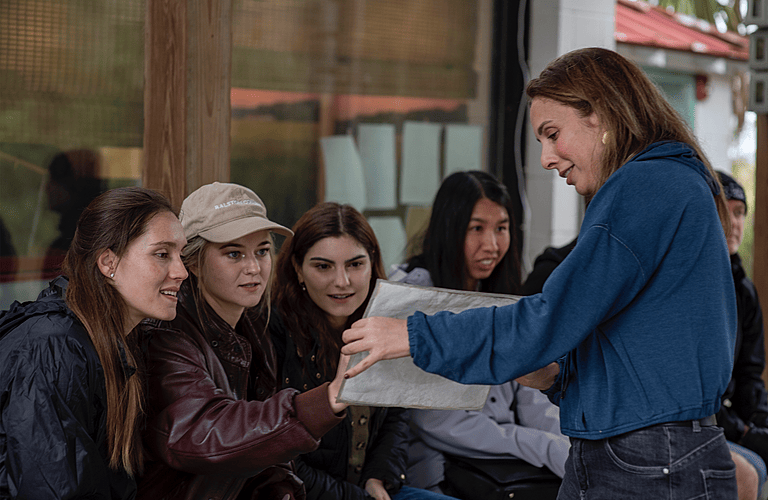
The Ralston College K–12 Partnership Program connects our graduate students in the Humanities with local schools to offer short, high-quality classroom visits rooted in the classical tradition.

These visits introduce young learners to the richness of literature, languages, philosophy, and the arts through engaging lessons crafted around the needs of each classroom. Our MA students bring exceptional intellectual enthusiasm, a love of learning, and a spirit of service.

Their goal is simple: to help spark curiosity and encourage the habits of close reading, careful thinking, and wonder—qualities that stand at the heart of a humanistic education.

Each visit is tailored to the school’s needs, whether a single 30-minute enrichment activity or a full class period. Sessions may include myth storytelling, introductory Greek, philosophical inquiry, guided text-reading, or humanities-based explorations that connect the ancient world to modern life.

What
This
Program
Offers
for
Schools
and
Teachers

How
the
Program
Works

1. Submit a Classroom Visit Request

Complete our online request form indicating:

  • Preferred date(s) and times
  • Grade level and subject
  • Topic(s) of interest
  • Class size
  • Any specific needs or accommodation

→ Schools may request Wednesday or Friday morning visits until May 15th, 2026.

2. Receive Confirmation & Lesson Plan

A Ralston team member will follow up to:

  • Confirm the date
  • Share the assigned student instructors
  • Provide a draft lesson plan and learning objectives one week before the visit
  • Finalize logistical details (arrival instructions, materials, permissions, etc.)

3. Classroom Visit

Two Ralston students will arrive to:

  • Teach the session
  • Support activities & discussions
  • Take notes and photos (when permitted)
  • Represent the college with professionalism and warmth

→ After the visit, teachers will receive a short survey.

Participating Students & Fellows, 2025-2026

Magdalena
Kyne

Magdalena Kyne graduated from Franciscan University with a B.A. in Philosophy, a Great Books honors concentration, and minors in Business and Music. While there, she served as a Leadership Institute Student Fellow, participated in student government, and assisted the Schola director. She has mentored and taught introductory Great Books courses for first-year students and has taken part in several national fellowships, including ISI’s Honors Program, the Heritage Foundation Academy, the John Paul II Institute Summer Fellowship, and the Röpke-Wojtyła Fellowship. Her academic interests include philosophical and theological anthropology, personalism, and literature, and she is currently working on a book applying philosophical anthropology to contemporary issues. She plans to pursue a Ph.D. and hopes to teach, inviting future students into the adventure of intellectual life.

Topics:
• What are the liberal arts and why they matter
• How to read a text well
• What is a Socratic discussion

 Kyne, Magdalena copy
 Shaskan, Sidney copy

Sidney
Shaskan

Sidney Shaskan, a philosopher and competitive triathlete from Los Angeles, recently completed a B.A. in History at UC Berkeley with a specialized focus on the history of philosophy. His undergraduate thesis examined the metaphysics of freedom of speech across time, offering a theological account of speech and reason within both religious and legal traditions. A committed endurance athlete, he competes in Ironman and Olympic-distance events. At Ralston, he is exploring the relationship between intellectual virtue and the architecture of reality. Looking ahead, he hopes to apply these insights toward renewing civic culture and strengthening the American republic.

Topics:
• Greek philosophy and the American cause
• The logos and freedom of speech
• Being a “spiritual” athlete
• Modern culture as inherently Hellenic

Thomas
Kolokithias

Thomas Kolokithias graduated from CUNY Hunter College with a double major in Classical Studies and Political Science and a minor in History. He taught 10th-grade AP World History at a charter school in Newark before serving for two years in the Peace Corps as a Youth & Development Specialist in northern Morocco, where he taught English, French, history, and life skills—all in Moroccan Arabic. During his service, he led a CLIMB leadership project, guiding a group of youth on an expedition up Mt. Toubkal. After completing the Ralston MA, he hopes either to found the South Bronx’s first classical charter high school or to join the Foreign Service.

Topics:
• The fall of the Roman Republic—why do republics fail?
• The rise of ancient Athens—can direct democracy work?
• How classical works such as Plato’s Republic or Seneca’s Letters can shape life today

 Kolokithias, Thomas copy
 Gonzalez Franco, Patricia (Alejandra) copy

Alejandra
Gonzalez

Alejandra Gonzalez, a longtime Savannah resident, graduated from the University of Georgia with bachelor’s degrees in Biochemistry and English Literature. She has worked as a Spanish medical interpreter and as a cell biology and computational chemistry researcher at UGA. She hopes to pursue a medical career and has experience teaching both ESL to adults and piano to middle-school students. Now studying at Ralston, she looks forward to sharing Greek language and literature with Savannah students. Her interests include the relationship between the sciences and the humanities, and she enjoys exploring how classical texts can enrich and illuminate everyday life.

Topics:
• Greek in the sciences (origins of scientific terminology; curiosity in scientific language)
• Language and biology
• A practical guide to learning and wisdom (active learning insights from C.S. Lewis and Plato)

Sofia
Truax

Sofia Truax graduated from LSU with a B.A. in English Rhetoric and Spanish and has since worked across fields including culinary arts, publishing, agriculture, and education. Most of her career has been spent as a Socratic Guide and Program Director at an Acton Academy in Austin, Texas. With interests in language, pedagogy, psychology, and culture, she is now pursuing an M.A. in the Humanities at Ralston College. After graduating in 2026, she plans to launch a high-school program at an Acton Academy, apprentice under professors at the University of Austin, and tutor students in Ancient Greek and Latin.

Topics:
• Greek games
• Patterns and geometry
• Mythology and the Greek gods

 Truax, Sofia copy
 Screen Shot 2025 11 25 at 9 39 26 PM

Connor
Livingston

Connor Livingston is from Livermore, California, a community rooted in agriculture and viticulture. He studied Classics and Psychology at Princeton, where his research focused on the intersection of Stoicism and mental health—work aimed at bringing ancient philosophy into both cultural discourse and modern therapeutic practice. His interests are deeply practical: how to live well, how to endure difficulty, and how to cultivate virtue in daily life. He is currently deepening his study of Ancient Greek through Stoic texts and assisting the new MA cohort as a Ralston Fellow. His ongoing work continues to integrate Stoicism, psychotherapy, and mental health in service of helping others.

Topics:
• Body and mind
• Physical education
• Stoicism and mental health

Maya
Toman

Maya Toman studied Latin at Hillsdale College, graduating summa cum laude with honors in Classics. As a member of the Collegiate Scholars Program, she wrote and defended an honors thesis on the influence of St Augustine on C. S. Lewis. During her time at Hillsdale, she tutored students in Latin, Greek, and Hebrew, edited for a student-run magazine, led the classics honorary, and participated in several clubs and choirs. Now at Ralston College, she is continuing research on the Christian reception of Platonism from the Renaissance to the present. She plans to pursue a Ph.D. in Classics or theology and hopes to work in education, sharing her love of ancient languages, literature, and philosophy with young people.

Topics:
• How the Classics deepen our reading of C. S. Lewis and J. R. R. Tolkien
• A 15-minute “sonnet appreciation” session (reading, analysis, and recitation)
• Approaches to beginning Latin pedagogy

 Toman, Maya copy
 Screen Shot 2025 11 25 at 5 32 23 PM
SAMPLE LESSON PLANS

Petteia:

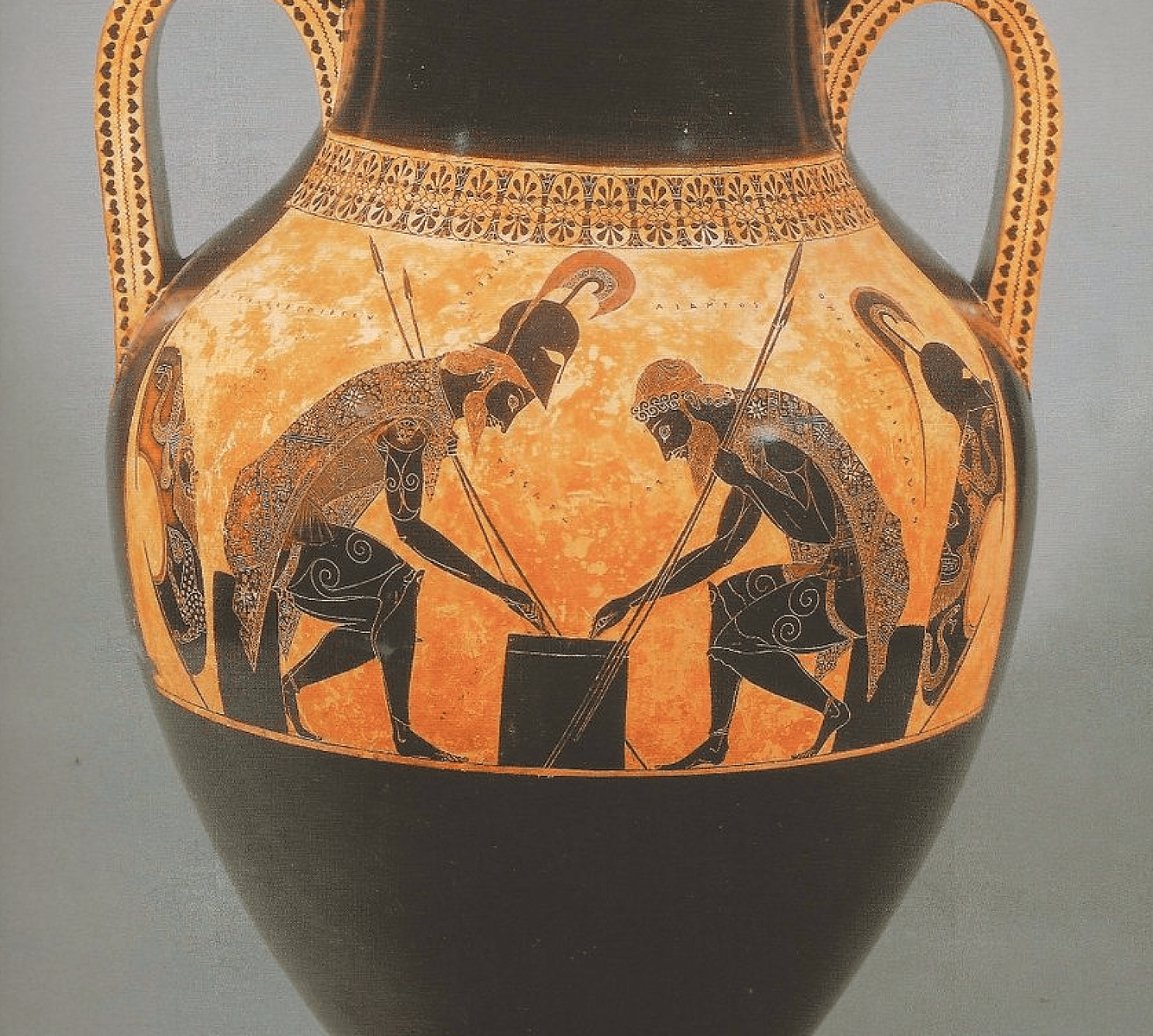
What does this game tell us about the ancient Greeks?

Petteia is an ancient Greek strategy game similar to checkers or chess. After learning about the rules of the game and the historical context surrounding its emergence and development, students will be prompted to engage in an open discussion exploring what Petteia might reveal about ancient Greeks more broadly. They’ll then be provided with a paper version of the game, and, if time allows, will have the opportunity to play a few rounds with their classmates. 

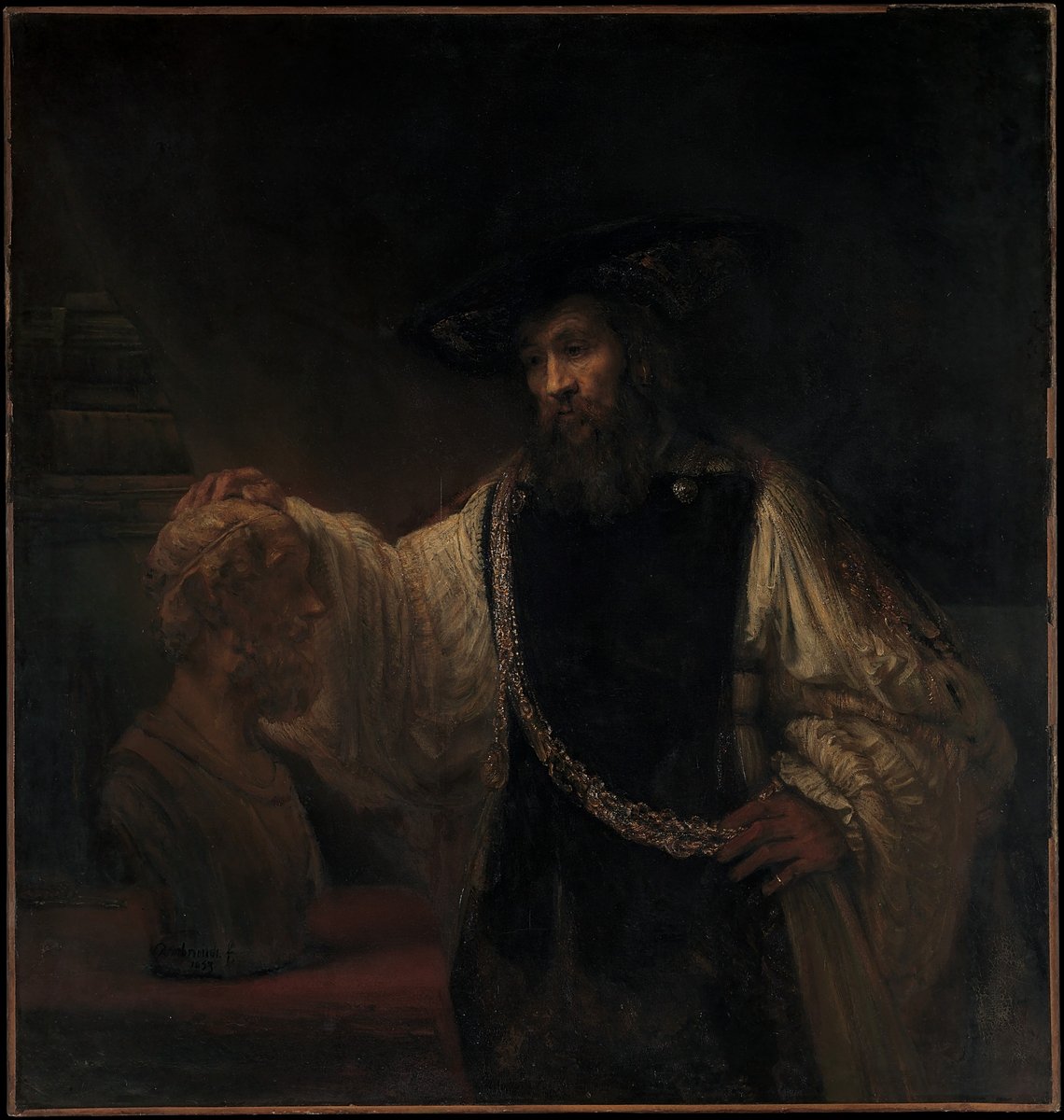
 Rembrandt

Decoding Language:

What patterns do Ancient Greek and Geometry share?

As logical systems of thought, language and mathematics have much in common. After wrestling with a few brain-teasers, students will learn about Ancient Greek grammar as an innovative development as well as the Greek contribution to the development of geometry. In light of that background information, we’ll return to the brain-teasers and examine them more deeply. Then students will be prompted to engage in an open discussion exploring how the patterns shared by language and mathematics might be applied to the process of learning any discipline.  

 jason blackeye kAOyHb6lagg unsplash

Ares and Anger:

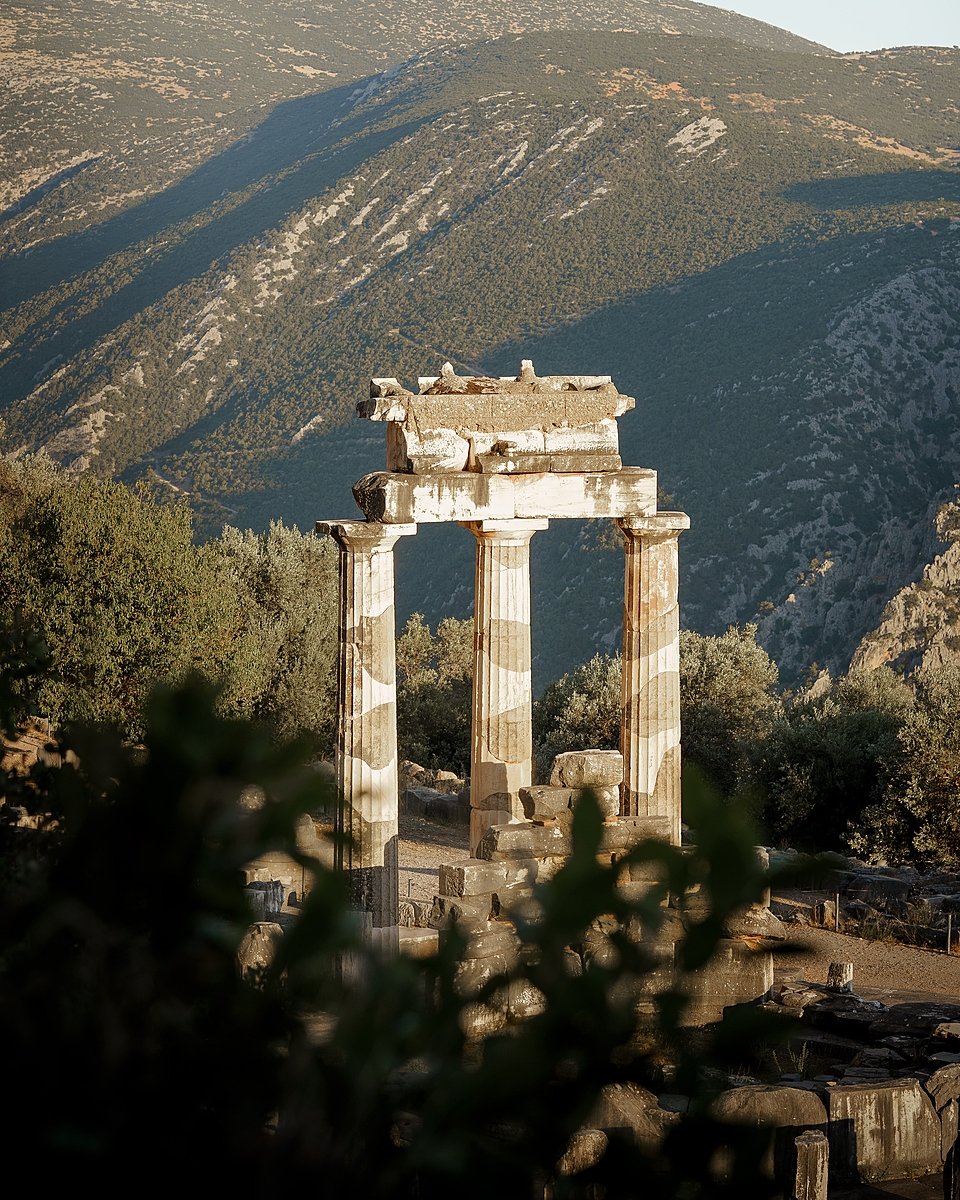
Are Greek gods real?

Much of ancient Greek literature, philosophy, and art seeks to understand the gods and their relationship to humanity. As materialists, modern Westerners often fail to empathize with the ancients’ perspective on the divine. In this lesson, students will be challenged to contemplate what phenomena the ancients might’ve been seeking to understand by giving character to invisible forces. To explore that very idea, students will hear a myth about the god Ares and look at related art.

 andrea contieri mcPtoY3aXvk unsplash

Studying in the Gymnasium:

How does training the body affect the mind?

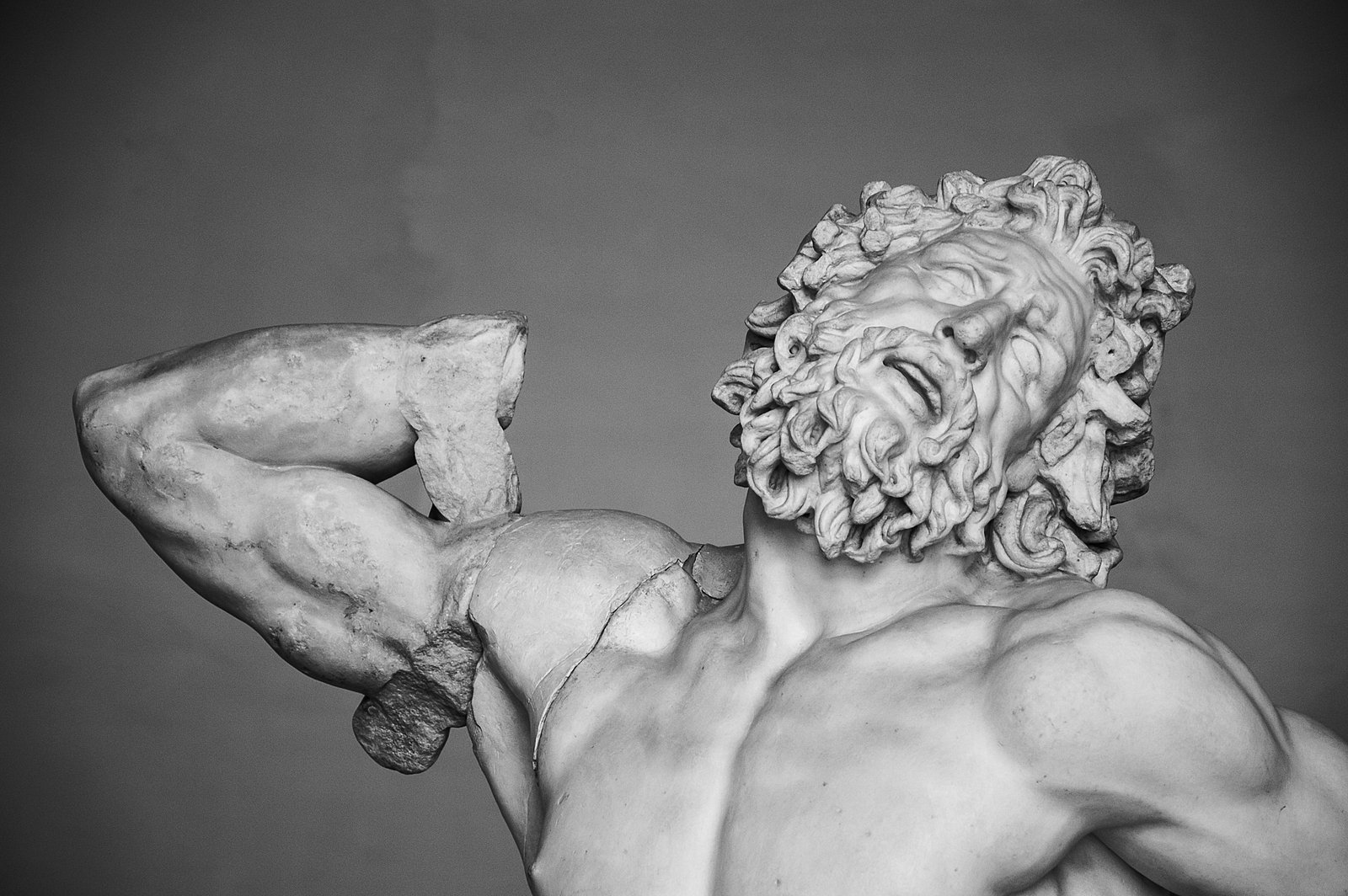
In the Greek world education involved not only the mind but also the body;  the gymnasium was a place where young men were trained both physically and intellectually. In this lesson, students will learn about the gymnasium as a pedagogical model and about the science behind exercise’s effect on cognition. Then they’ll consider the connection between the body and the mind more broadly and discuss how that connection might be applied to their own learning.

Become a Partner School

Schools are invited to join the Ralston Educator Partnership Network, a growing community of teachers, schools, and educational leaders committed to enriching the humanities across Savannah.

Partner Schools receive:

  • Annual opportunities for classroom visits from Ralston students
  • Ability to share job postings and tutoring opportunities with our students
  • An annual educator workshop hosted by Ralston College
  • Invitation to an educators’ open house
  • Priority access to public lectures, cultural events, and special programming
  • A dedicated point of contact at the College

Becoming a partner school helps strengthen the relationship between Ralston College and the Savannah educational community and fosters long-term collaboration.

To become a partner school—or to inquire about classroom visits—please:

Complete the Classroom Visit Request Form and indicate your interest in joining the Ralston Educator Partnership Network.

A member of our team will then contact you to schedule an introductory conversation.

We look forward to working with you to bring the humanities alive for the next generation of young learners.

Classroom Visit Request Form

“My course is set for an uncharted sea.”

Dante

SUPPORT
A
NEW
BEGINNING

Education and conversation free from censorship, cynicism, and corruption matter. Ralston College is a place for them to happen, for human flourishing and building anew.